
Music Editor & Composer for film, TV, advertising and live events
Selected Work
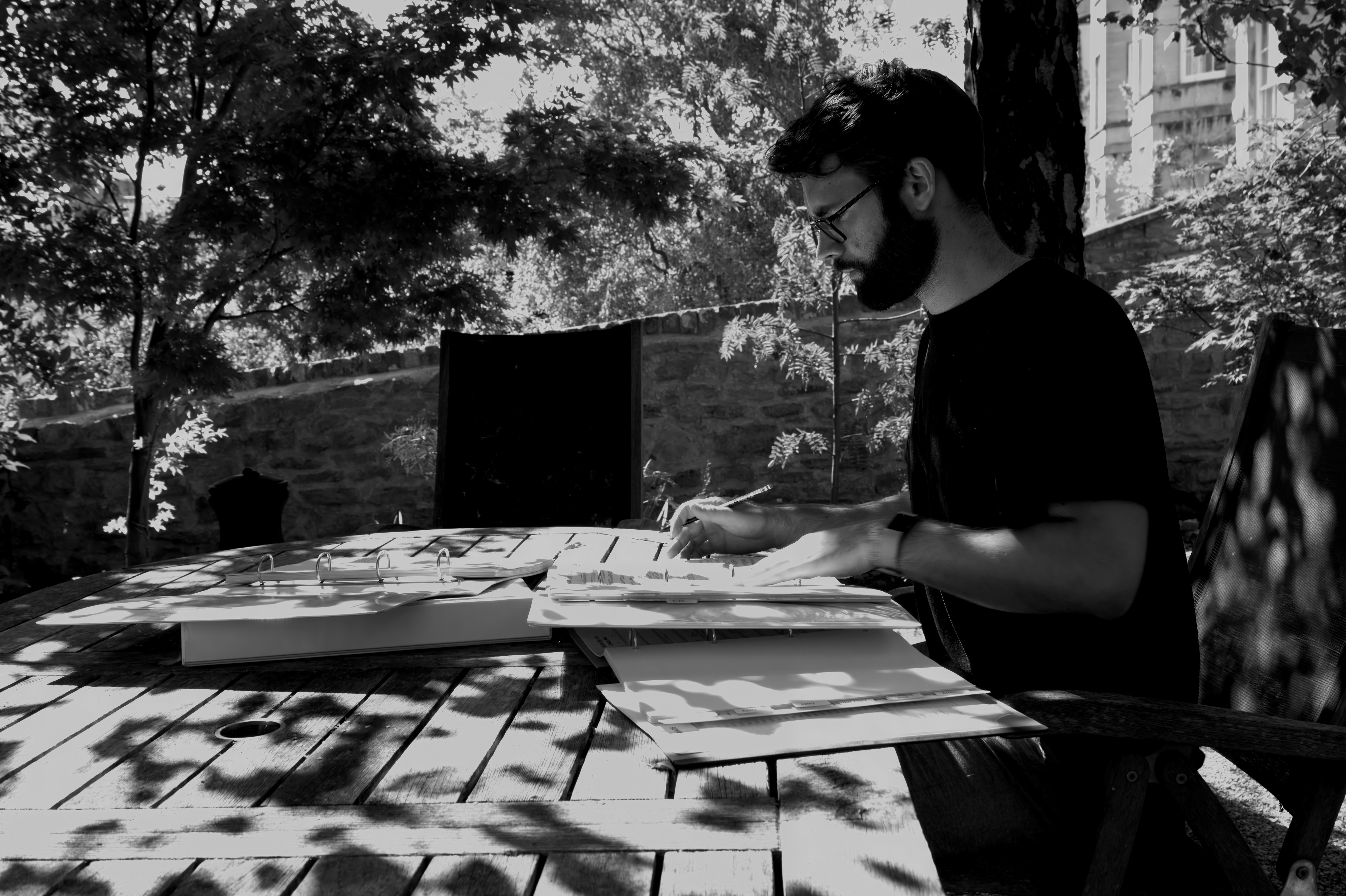


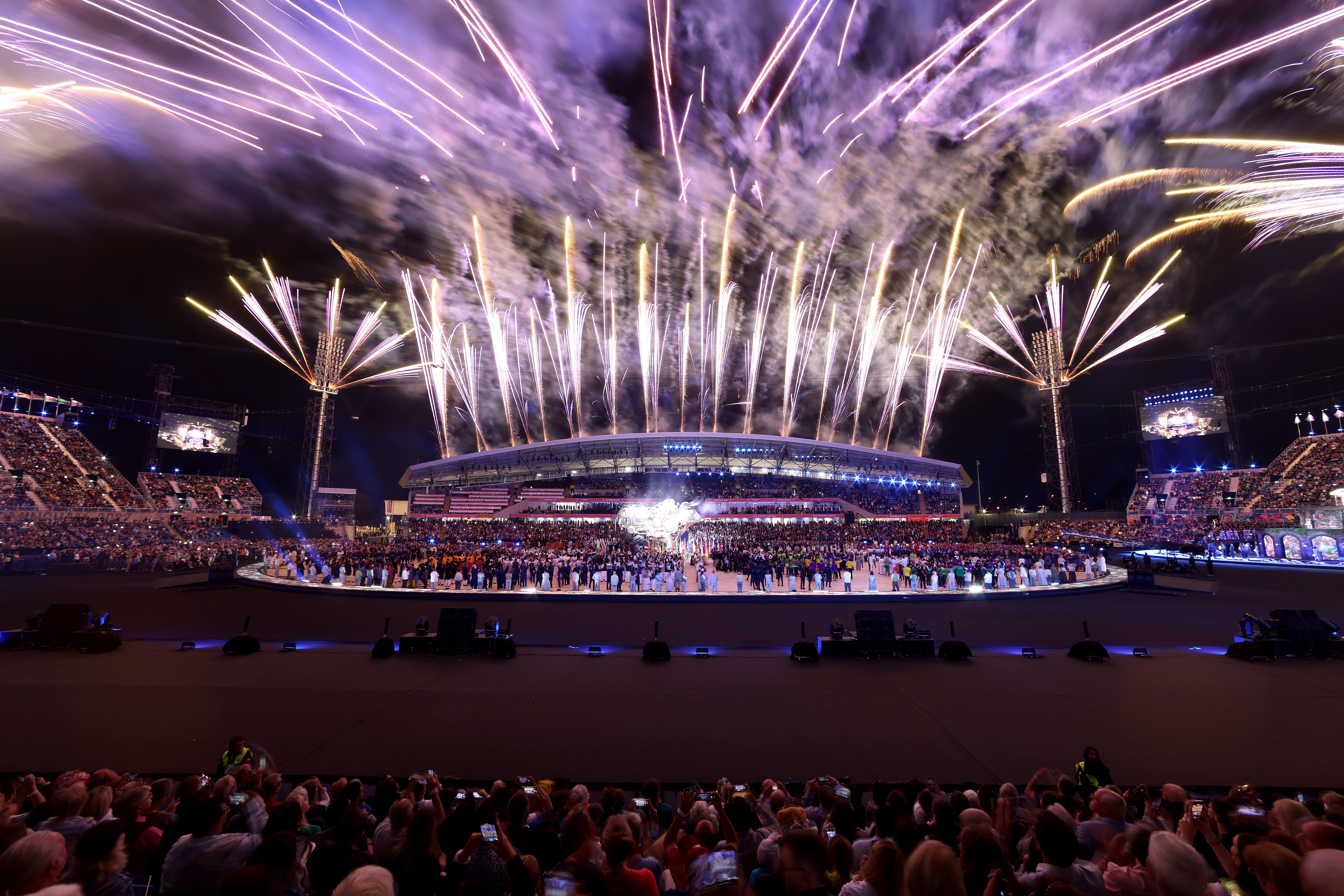





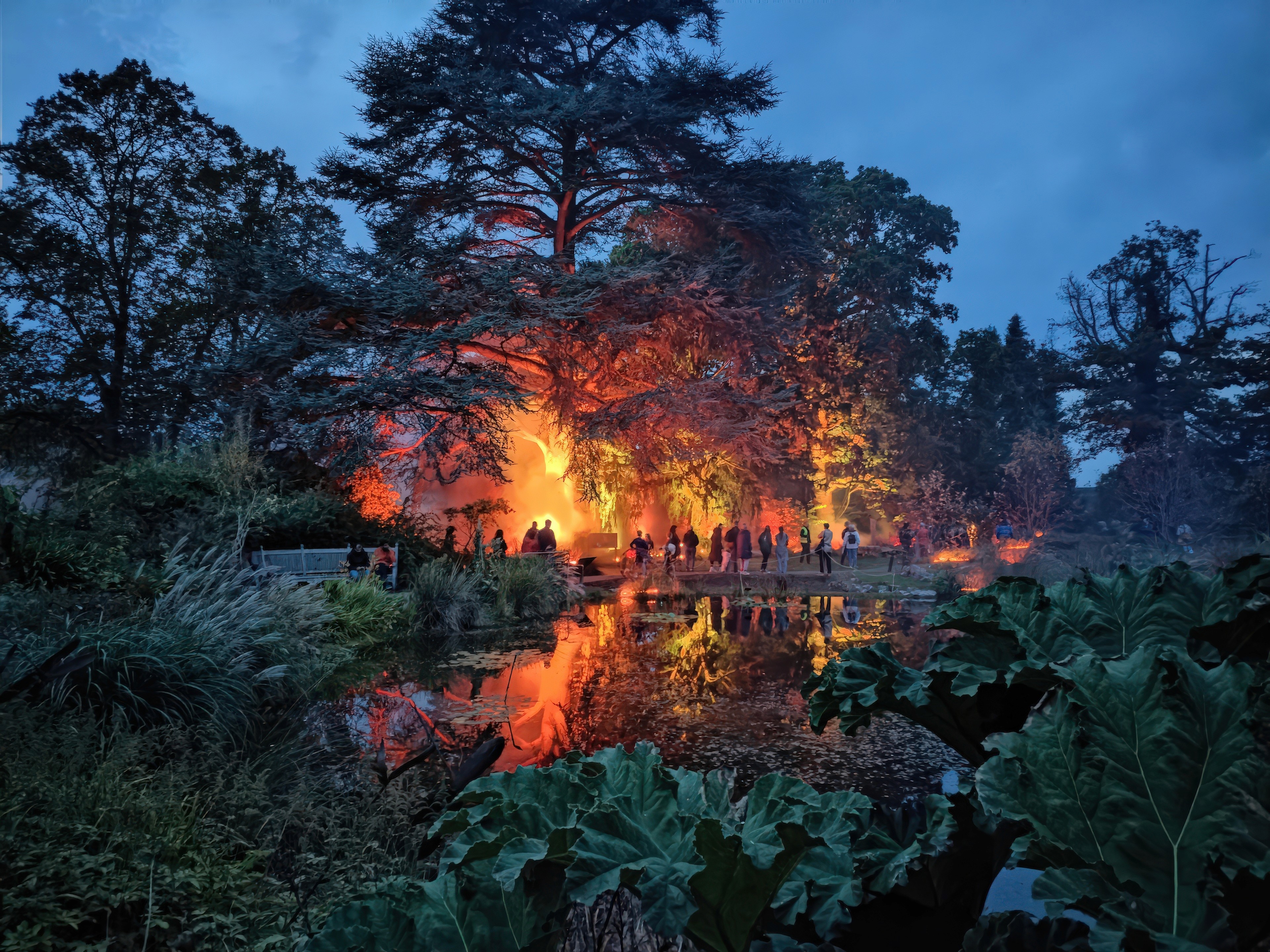


From award-winning drama and documentary to billion-viewer events and advertising, my work turns a creative vision into flawless sound — on brief, on spec, and on deadline.
Services
( 1 )
Music Editing
Scripted drama & film
Spotting & conforming
Score integration to picture
Title sequences
( 1 )
Music Editing
Scripted drama & film
Spotting & conforming
Score integration to picture
Title sequences
( 2 )
Music & Sound for Advertising
Original tracks & soundalikes
Pitching & client delivery
Multi-length edits
Brand sonic identity
( 2 )
Music & Sound for Advertising
Original tracks & soundalikes
Pitching & client delivery
Multi-length edits
Brand sonic identity
( 3 )
Composition & Production
Original score
Arranging & orchestration
Recording & mixing
Mastering
( 3 )
Composition & Production
Original score
Arranging & orchestration
Recording & mixing
Mastering
( 4 )
Creative Operations & Events
Large-scale live events
Immersive & spatial audio
Asset & data management
Workflow design
( 4 )
Creative Operations & Events
Large-scale live events
Immersive & spatial audio
Asset & data management
Workflow design
I'm Simon Birch — a Music Editor & Composer with over a decade of experience on award-winning drama, feature documentaries, advertising and billion-viewer live events. I keep complex productions on the rails: removing blockers, managing assets at scale, and turning artistic vision into flawless delivery. I'm a generalist by instinct, too — give me an unusual brief and I'll find a way, often building a bespoke workflow where none exists.
Experience
Music editing, composition, sound design and creative operations for award-winning drama, documentary, advertising and live events. Long-standing collaborator with BAFTA- and Ivor Novello-winning composer Dan Jones.
Music editing, composition, sound design and creative operations for award-winning drama, documentary, advertising and live events. Long-standing collaborator with BAFTA- and Ivor Novello-winning composer Dan Jones.
I co-run an independent record label with end-to-end involvement in most releases: editing, mixing, mastering, album-cover art design & direction, and publicity. Releases include Dan Jones‘ BAFTA-winning score for Any Human Heart and Gerald Busby’s score for Robert Altman’s cult classic 3 Women.
I co-run an independent record label with end-to-end involvement in most releases: editing, mixing, mastering, album-cover art design & direction, and publicity. Releases include Dan Jones‘ BAFTA-winning score for Any Human Heart and Gerald Busby’s score for Robert Altman’s cult classic 3 Women.
High-stakes technical delivery for broadcast — broadcast-standard files (AS-11), frame-rate conversion and tape-to-digital migration during the industry's shift from tape to file-based workflows.
High-stakes technical delivery for broadcast — broadcast-standard files (AS-11), frame-rate conversion and tape-to-digital migration during the industry's shift from tape to file-based workflows.
First-class BA and a Distinction MA in Music. Founder of the Composers' Society; dissertations on music in sports broadcasting and in TV advertising.
First-class BA and a Distinction MA in Music. Founder of the Composers' Society; dissertations on music in sports broadcasting and in TV advertising.
Awards
FAQs

At heart I'm a creative music editor: I take a composer's music — or hours of raw, unstructured material — and shape it to picture, to a brief, and to broadcast spec. Around that I compose, produce, arrange, restore audio, and run the technical and organisational side that sits between a creative idea and a finished deliverable. Depending on what a project needs, I can be the music editor, the composer, the problem-solver, or the person quietly keeping the whole music and sound operation on the rails.
That's often my favourite kind of job. I'm a generalist by instinct: I like figuring things out, and if a project needs a novel or bespoke workflow, I'll design one rather than force it down a standard path. A lot of my best work came from problems with no off-the-shelf answer — making music become a deaf artist's "voice" in an immersive VR artwork, conforming "unusable" orchestral recordings into the highlight of an installation, or integrating dozens of contributors for a ceremony broadcast to a billion people. Bring me the awkward brief.
Yes, I can help you find the right library music track for your project. I'm comfortable working with any music, whether that be original (including my own, or another composer's) or library/production music. I can offer up multiple options with fast turnaround.
Yes — and I'm actively looking for more of it. I've written and produced for campaigns (including a Barry White-style track for Mars's Sheba brand via AMV BBDO), pitched and negotiated budgets directly with clients, and cut to multiple lengths and formats for delivery. Fast turnarounds, brand briefs and client feedback are very much my world, and I enjoy them.
I can help you. I'm used to dealing with last minute requests for different music, and I can provide multiple demos in a very short timeframe. I realise how frustrating it is to have cut to a particular track and then have the rug pulled from underneath, but I can help find a solution without the need for recutting.
Yes — it's one of my strengths. Dolby Atmos and 7.1, stems and multichannel routing, broadcast file standards, audio restoration, and terabyte-scale asset management with reliable backups: I've run all of it on real projects. If your delivery spec is unusual, I'll work backwards from it to make sure everything I produce is compatible from the start.
Not at all. I can slot in as a music editor on an existing team, score a project end-to-end, parachute in to fix a specific problem, or take on the whole music-and-sound operation. Tell me the brief and the budget and I'll propose the most useful shape my involvement can take — no more, no less.
Easy, I hope — that's the goal. I'm can-do, calm under pressure, and I treat my job as removing blockers, not adding them. I'm equally comfortable talking music and sound with specialists and with people who'd rather not get technical, so I can translate between the two and keep everyone moving in the same direction. I take notes, options and deadlines seriously, and I'd always rather offer three solutions than one problem.
While I live in Bristol, UK, I work with people and productions wherever they are. I'm set up for remote orchestral recording and collaboration (live monitoring, session assets, score prep) as well as hands-on studio and on-site work, so distance is rarely the deciding factor — the brief is.
Whatever it is, I will be able to help you get to where you need to be. I always think it's best to talk about what you want the music (and sound) to achieve -- what story are you telling? -- rather than getting into technicalities. My job is to interpret your vision into different realities that you can then respond to in more concrete terms. I'm not precious about discarding ideas that aren't right - give me a try!
It's true that AI is getting better and better at imitating art, and generating convincing music, so I can understand the temptation to use it. However, whatever the source of the music, AI can't become the listerner -- the audience -- and feel the complex effect of music on us humans. I see my role primarily as one to always put myself in the shoes of a viewer or listener experiencing the project for the first time. I then break that intuitive reaction down to ask questions as to why things work (or don't), and what needs to happen to make them more effective. Even if the music has been created entirely by AI I could still improve on it through editing to better tell your story.
Yes! I can help. Sometimes existing recordings are a good guide for your edit, but they don't have production values you need for your final mix. With Dan Jones, working on On Chesil Beach, we produced all the classical music in the film, editing the music on paper first to best follow the picture editor's guide, and maintain the elegant ins and outs of a real recording take. On duration, I can use a combination of music editing (paper and post) and tempo mapping to map with absolute precision the timing of a piece to fit your film. I can mix symphony orchestra from stereo up to 7.1 and Dolby Atmos -- something never available with existing commercial recordings. I can also arrange music to best compliment your film. For instance, I arranged Purcell's funeral march for a film about Vivienne Westwood, where the drum that would have originally been present was too distracting for the sequence wherein it was used. I also arranged a song from Bernstein's Candide for a solo singer plus orchestra, where in the original there is a whole chorus of singers. I have also transcribed audio to create scores that can then be reperformed, as I did for The One Show many years ago.
At heart I'm a creative music editor: I take a composer's music — or hours of raw, unstructured material — and shape it to picture, to a brief, and to broadcast spec. Around that I compose, produce, arrange, restore audio, and run the technical and organisational side that sits between a creative idea and a finished deliverable. Depending on what a project needs, I can be the music editor, the composer, the problem-solver, or the person quietly keeping the whole music and sound operation on the rails.
That's often my favourite kind of job. I'm a generalist by instinct: I like figuring things out, and if a project needs a novel or bespoke workflow, I'll design one rather than force it down a standard path. A lot of my best work came from problems with no off-the-shelf answer — making music become a deaf artist's "voice" in an immersive VR artwork, conforming "unusable" orchestral recordings into the highlight of an installation, or integrating dozens of contributors for a ceremony broadcast to a billion people. Bring me the awkward brief.
Yes, I can help you find the right library music track for your project. I'm comfortable working with any music, whether that be original (including my own, or another composer's) or library/production music. I can offer up multiple options with fast turnaround.
Yes — and I'm actively looking for more of it. I've written and produced for campaigns (including a Barry White-style track for Mars's Sheba brand via AMV BBDO), pitched and negotiated budgets directly with clients, and cut to multiple lengths and formats for delivery. Fast turnarounds, brand briefs and client feedback are very much my world, and I enjoy them.
I can help you. I'm used to dealing with last minute requests for different music, and I can provide multiple demos in a very short timeframe. I realise how frustrating it is to have cut to a particular track and then have the rug pulled from underneath, but I can help find a solution without the need for recutting.
Yes — it's one of my strengths. Dolby Atmos and 7.1, stems and multichannel routing, broadcast file standards, audio restoration, and terabyte-scale asset management with reliable backups: I've run all of it on real projects. If your delivery spec is unusual, I'll work backwards from it to make sure everything I produce is compatible from the start.
Not at all. I can slot in as a music editor on an existing team, score a project end-to-end, parachute in to fix a specific problem, or take on the whole music-and-sound operation. Tell me the brief and the budget and I'll propose the most useful shape my involvement can take — no more, no less.
Easy, I hope — that's the goal. I'm can-do, calm under pressure, and I treat my job as removing blockers, not adding them. I'm equally comfortable talking music and sound with specialists and with people who'd rather not get technical, so I can translate between the two and keep everyone moving in the same direction. I take notes, options and deadlines seriously, and I'd always rather offer three solutions than one problem.
While I live in Bristol, UK, I work with people and productions wherever they are. I'm set up for remote orchestral recording and collaboration (live monitoring, session assets, score prep) as well as hands-on studio and on-site work, so distance is rarely the deciding factor — the brief is.
Whatever it is, I will be able to help you get to where you need to be. I always think it's best to talk about what you want the music (and sound) to achieve -- what story are you telling? -- rather than getting into technicalities. My job is to interpret your vision into different realities that you can then respond to in more concrete terms. I'm not precious about discarding ideas that aren't right - give me a try!
It's true that AI is getting better and better at imitating art, and generating convincing music, so I can understand the temptation to use it. However, whatever the source of the music, AI can't become the listerner -- the audience -- and feel the complex effect of music on us humans. I see my role primarily as one to always put myself in the shoes of a viewer or listener experiencing the project for the first time. I then break that intuitive reaction down to ask questions as to why things work (or don't), and what needs to happen to make them more effective. Even if the music has been created entirely by AI I could still improve on it through editing to better tell your story.
Yes! I can help. Sometimes existing recordings are a good guide for your edit, but they don't have production values you need for your final mix. With Dan Jones, working on On Chesil Beach, we produced all the classical music in the film, editing the music on paper first to best follow the picture editor's guide, and maintain the elegant ins and outs of a real recording take. On duration, I can use a combination of music editing (paper and post) and tempo mapping to map with absolute precision the timing of a piece to fit your film. I can mix symphony orchestra from stereo up to 7.1 and Dolby Atmos -- something never available with existing commercial recordings. I can also arrange music to best compliment your film. For instance, I arranged Purcell's funeral march for a film about Vivienne Westwood, where the drum that would have originally been present was too distracting for the sequence wherein it was used. I also arranged a song from Bernstein's Candide for a solo singer plus orchestra, where in the original there is a whole chorus of singers. I have also transcribed audio to create scores that can then be reperformed, as I did for The One Show many years ago.
At heart I'm a creative music editor: I take a composer's music — or hours of raw, unstructured material — and shape it to picture, to a brief, and to broadcast spec. Around that I compose, produce, arrange, restore audio, and run the technical and organisational side that sits between a creative idea and a finished deliverable. Depending on what a project needs, I can be the music editor, the composer, the problem-solver, or the person quietly keeping the whole music and sound operation on the rails.
That's often my favourite kind of job. I'm a generalist by instinct: I like figuring things out, and if a project needs a novel or bespoke workflow, I'll design one rather than force it down a standard path. A lot of my best work came from problems with no off-the-shelf answer — making music become a deaf artist's "voice" in an immersive VR artwork, conforming "unusable" orchestral recordings into the highlight of an installation, or integrating dozens of contributors for a ceremony broadcast to a billion people. Bring me the awkward brief.
Yes, I can help you find the right library music track for your project. I'm comfortable working with any music, whether that be original (including my own, or another composer's) or library/production music. I can offer up multiple options with fast turnaround.
Yes — and I'm actively looking for more of it. I've written and produced for campaigns (including a Barry White-style track for Mars's Sheba brand via AMV BBDO), pitched and negotiated budgets directly with clients, and cut to multiple lengths and formats for delivery. Fast turnarounds, brand briefs and client feedback are very much my world, and I enjoy them.
I can help you. I'm used to dealing with last minute requests for different music, and I can provide multiple demos in a very short timeframe. I realise how frustrating it is to have cut to a particular track and then have the rug pulled from underneath, but I can help find a solution without the need for recutting.
Yes — it's one of my strengths. Dolby Atmos and 7.1, stems and multichannel routing, broadcast file standards, audio restoration, and terabyte-scale asset management with reliable backups: I've run all of it on real projects. If your delivery spec is unusual, I'll work backwards from it to make sure everything I produce is compatible from the start.
Not at all. I can slot in as a music editor on an existing team, score a project end-to-end, parachute in to fix a specific problem, or take on the whole music-and-sound operation. Tell me the brief and the budget and I'll propose the most useful shape my involvement can take — no more, no less.
Easy, I hope — that's the goal. I'm can-do, calm under pressure, and I treat my job as removing blockers, not adding them. I'm equally comfortable talking music and sound with specialists and with people who'd rather not get technical, so I can translate between the two and keep everyone moving in the same direction. I take notes, options and deadlines seriously, and I'd always rather offer three solutions than one problem.
While I live in Bristol, UK, I work with people and productions wherever they are. I'm set up for remote orchestral recording and collaboration (live monitoring, session assets, score prep) as well as hands-on studio and on-site work, so distance is rarely the deciding factor — the brief is.
Whatever it is, I will be able to help you get to where you need to be. I always think it's best to talk about what you want the music (and sound) to achieve -- what story are you telling? -- rather than getting into technicalities. My job is to interpret your vision into different realities that you can then respond to in more concrete terms. I'm not precious about discarding ideas that aren't right - give me a try!
It's true that AI is getting better and better at imitating art, and generating convincing music, so I can understand the temptation to use it. However, whatever the source of the music, AI can't become the listerner -- the audience -- and feel the complex effect of music on us humans. I see my role primarily as one to always put myself in the shoes of a viewer or listener experiencing the project for the first time. I then break that intuitive reaction down to ask questions as to why things work (or don't), and what needs to happen to make them more effective. Even if the music has been created entirely by AI I could still improve on it through editing to better tell your story.
Yes! I can help. Sometimes existing recordings are a good guide for your edit, but they don't have production values you need for your final mix. With Dan Jones, working on On Chesil Beach, we produced all the classical music in the film, editing the music on paper first to best follow the picture editor's guide, and maintain the elegant ins and outs of a real recording take. On duration, I can use a combination of music editing (paper and post) and tempo mapping to map with absolute precision the timing of a piece to fit your film. I can mix symphony orchestra from stereo up to 7.1 and Dolby Atmos -- something never available with existing commercial recordings. I can also arrange music to best compliment your film. For instance, I arranged Purcell's funeral march for a film about Vivienne Westwood, where the drum that would have originally been present was too distracting for the sequence wherein it was used. I also arranged a song from Bernstein's Candide for a solo singer plus orchestra, where in the original there is a whole chorus of singers. I have also transcribed audio to create scores that can then be reperformed, as I did for The One Show many years ago.